Primary HealthCare

Apda's health sector

Delivering Health Where It’s Needed Most

Since its inception in 1993, APDA has been at the forefront of bringing essential health services to Afar’s remote pastoralist communities, where traditional systems fail to reach. Rooted in community trust and traditional leadership, APDA’s health strategy is mobile, inclusive, and sustainable—designed to align with the nomadic lifestyle of Afar people. APDA provides mobile, community-based healthcare to Afar’s pastoralist communities, ensuring access to maternal care, vaccinations, disease prevention, and emergency response—where roads don’t exist.
Reportage: Afar - APDA
Health Sector – Reaching the Unreachable

At Afar Pastoralist Development Association (APDA) we have been pioneering a unique and effective approach to health care delivery since its founding in 1993. Born out of the urgent need voiced by clan elders and community leaders, APDA has become a vital source of health services for Afar’s nomadic pastoralist communities—people who, due to their remote location and migratory lifestyle, are often left out of the national health system. From the outset, APDA has worked to model a community-based, mobile health service that aligns with the realities of pastoral life while main long-term resilience and self-reliance.

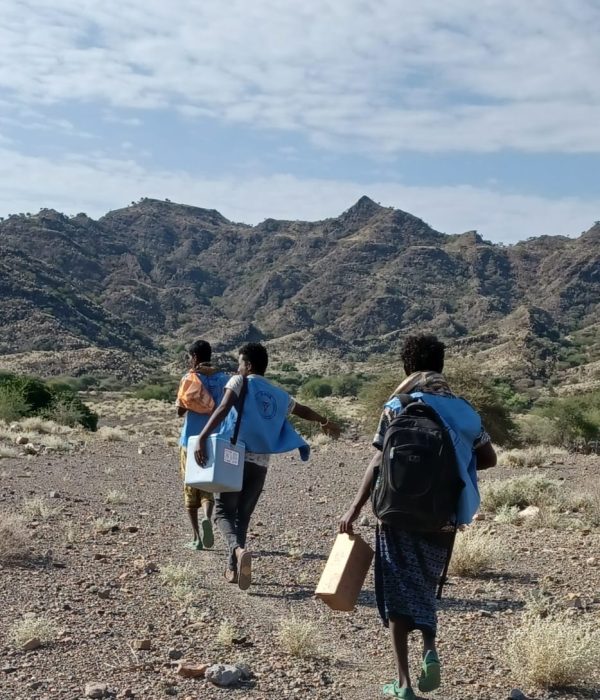
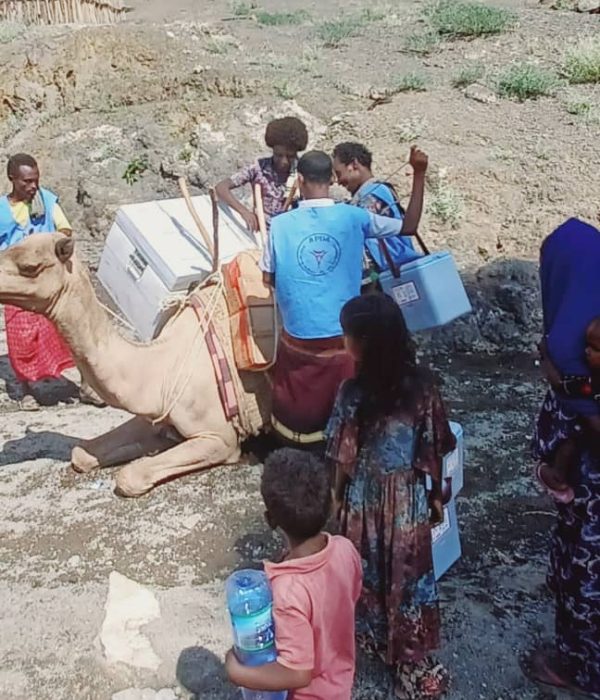
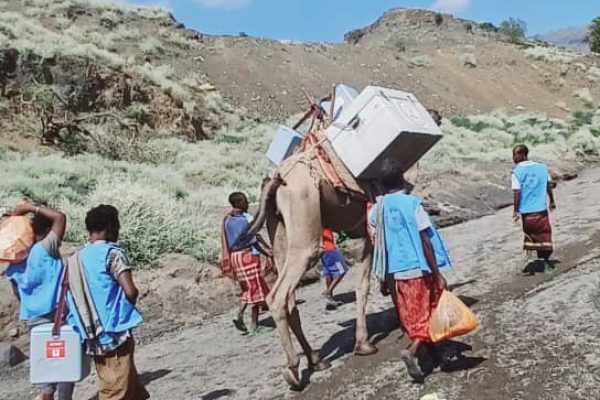
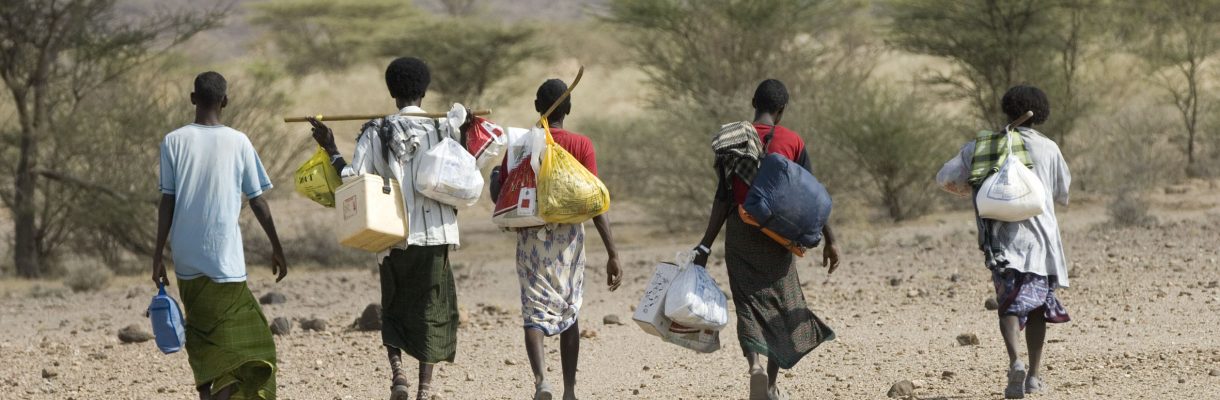
APDA’s health sector approach is deeply embedded in the communities it serves. Health workers and women extension workers are selected from within the community, trained, and supported to operate mobile units equipped to reach even the most isolated households. All medical equipment and supplies are designed for transport by backpack or camel, allowing health teams to deliver essential services where no roads exist. These local teams not only provide treatment but also serve as educators and advocates, delivering daily health education on hygiene, disease prevention, and maternal care.

APDA’s health sector approach is deeply embedded in the communities it serves. Health workers and women extension workers are selected from within the community, trained, and supported to operate mobile units equipped to reach even the most isolated households. All medical equipment and supplies are designed for transport by backpack or camel, allowing health teams to deliver essential services where no roads exist. These local teams not only provide treatment but also serve as educators and advocates, delivering daily health education on hygiene, disease prevention, and maternal care.

A projection of the population of Afar Region is a probable 2.3 million people of whom 93% live as pastoralists depending on mobility as a survival/ sustaining mechanism as is part of their ancient tradition that the grazing and water sources are persevered from over-use.

Of the entire geography of Afar Region, 65% does not have road access: the landscape totally non-conducive to road construction or roads are tracks that disintegrate with any rain. Within this 65% landscape, 45% of the Region’s population live. 81% of Afar mothers deliver in their mobile homes. Regular service, let alone reach the clinic in the time of an emergency. Thus, a house-to-house strategy is needed, the health team walking from one settlement to another.

Mobile Health

Why It Works: Culturally Rooted, Locally Led

APDA’s mobile health model brings essential services directly to households, using community-trained health teams that walk from one remote settlement to another. From maternal care and vaccinations to emergency response and disease prevention, our health strategy is designed for the lifestyle of the people it serves.

Mobile Health

Maternal & Child Health

Our 35-bed maternal referral hospital bridges the final gap in safe deliveries.

In 2011, the first maternity hospital in the region, funded by the Foundation and servicing more than 500,000 women, the Barbara May Maternity Hospital, was built and became operational. In addition, out-reach services are provided to remote villages, and eight triage units have been established along the main road that are equipped to assist high-risk and emergency deliveries

In 2011, the first maternity hospital in the region, funded by the Foundation and servicing more than 500,000 women, the Barbara May Maternity Hospital, was built and became operational. In addition, out-reach services are provided to remote villages, and eight triage units have been established along the main road that are equipped to assist high-risk and emergency deliveries

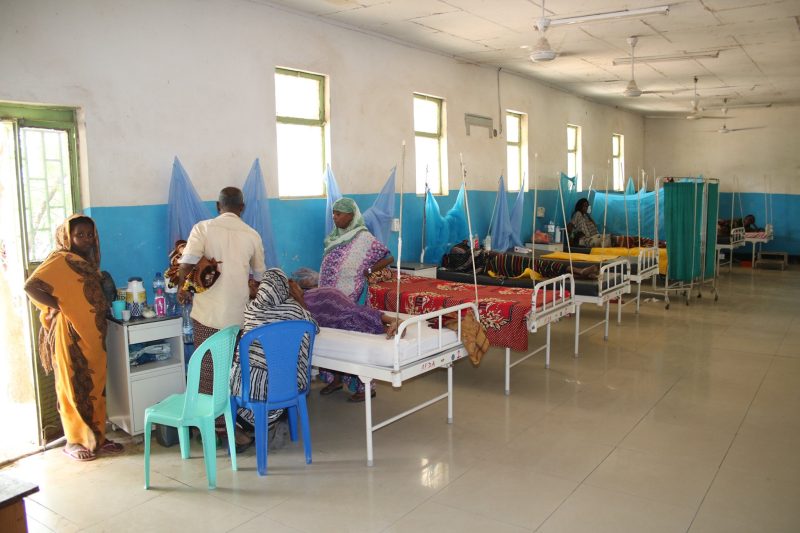
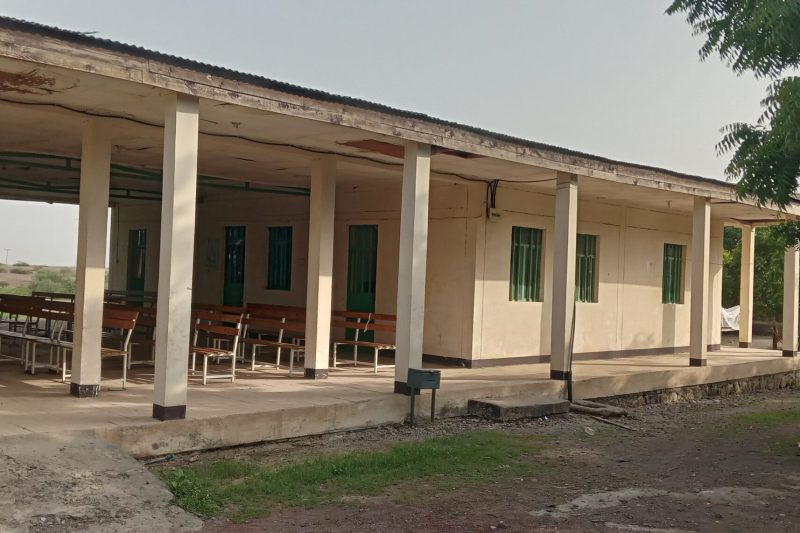
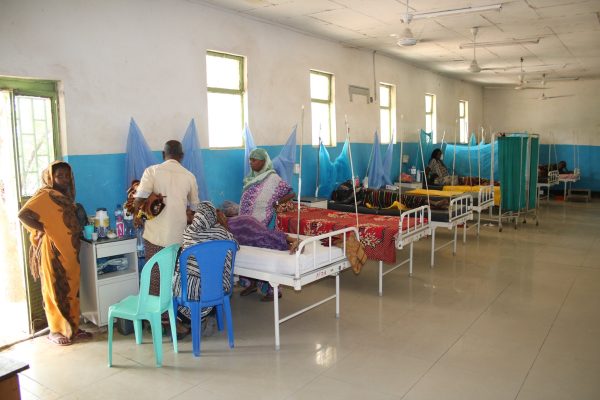
At the center of APDA’s maternal health referral system is the Barbara May Maternity Hospital (BMMH) in Mille. Established in 2011, this 35-bed facility serves as a referral point for women requiring advanced obstetric and gynecological care. The hospital runs weekly antenatal and gynecology clinics, performs surgeries for fistula and vaginal prolapse, and supports women suffering complications from female genital mutilation. Plans are underway to expand services to include neonatal care and a blood bank, while continuing to raise awareness and coordinate blood donations through regional partners. The hospital also aspires to become a regional training hub for midwives and maternal health professionals.

INside-hospital
BMMH - outpatients

Offers antenatal care, fistula repair, and gynecological surgeries Hosts weekly clinics and manages referrals from APDA’s field health workers

Optional Subtitle

Core Areas of Focus

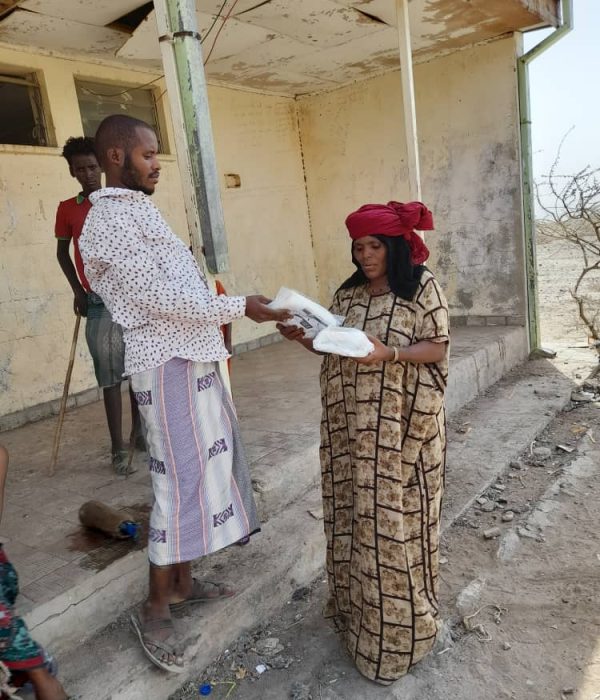
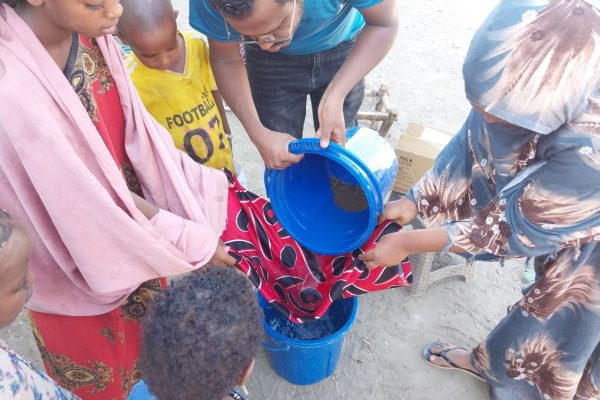
The organization’s primary health services emphasize both prevention and treatment. Communities receive education on preventing waterborne and airborne diseases, while children are vaccinated and vulnerable households are supplied with mosquito nets, soap, and water purification materials.

mobile-vacc-no-road-1

🏠 Mobile Primary Health Services

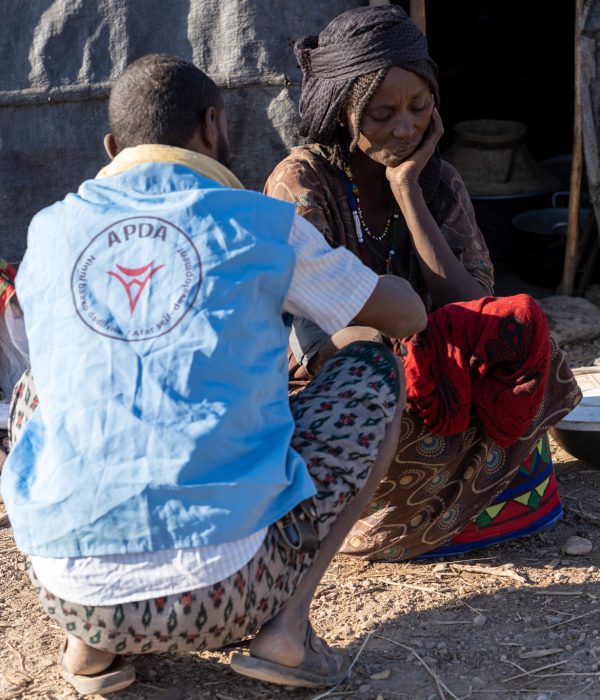
Our mobile health workers and women extension workers walk from home to home across remote pastoralist settlements, diagnosing and treating common illnesses such as malaria, respiratory infections, diarrhea, and skin diseases. They register pregnancies, offer antenatal and postnatal care, and carry clean delivery kits to ensure safe births. 

wash2

🧼 Health Education, Awareness & WASH Promotion

APDA leads monthly health awareness campaigns tailored to seasonal disease risks. These include hygiene education to prevent waterborne illnesses, menstrual health guidance, and sessions on preventing harmful traditional practices like early marriage and FGM.

kid-vaccination-1

🧪 Vaccination Services (Cold Chain & EPI Delivery)

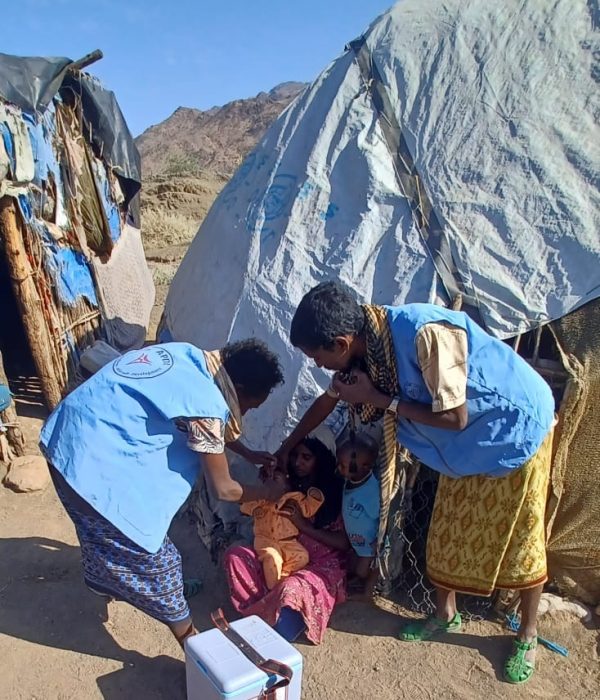
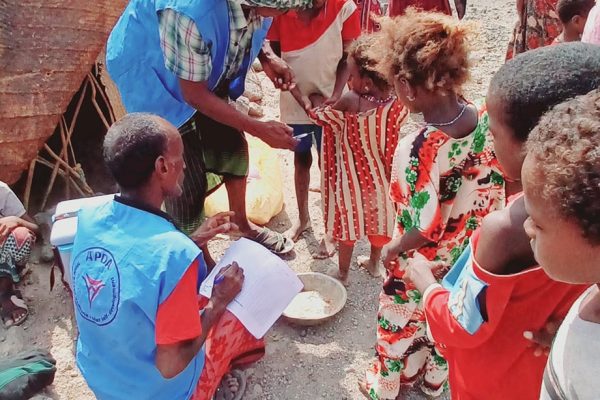
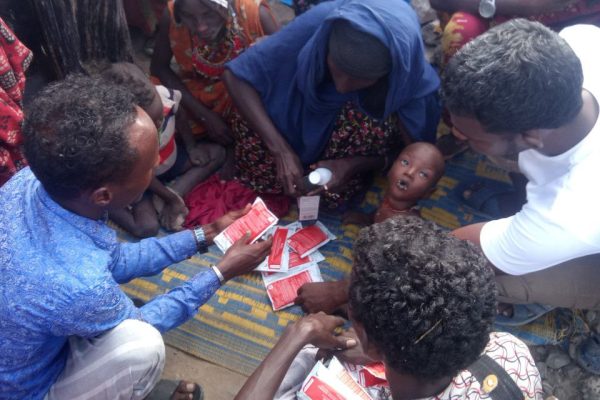
Our mobile teams carry vaccines on camelback using solar-powered cold-chain systems. Children receive the full national immunization schedule, while women aged 15–49 are vaccinated against tetanus.  allowing even the most isolated families to gain protection from preventable diseases.

Hospial Mille

👩‍🍼 Maternal and Reproductive Health

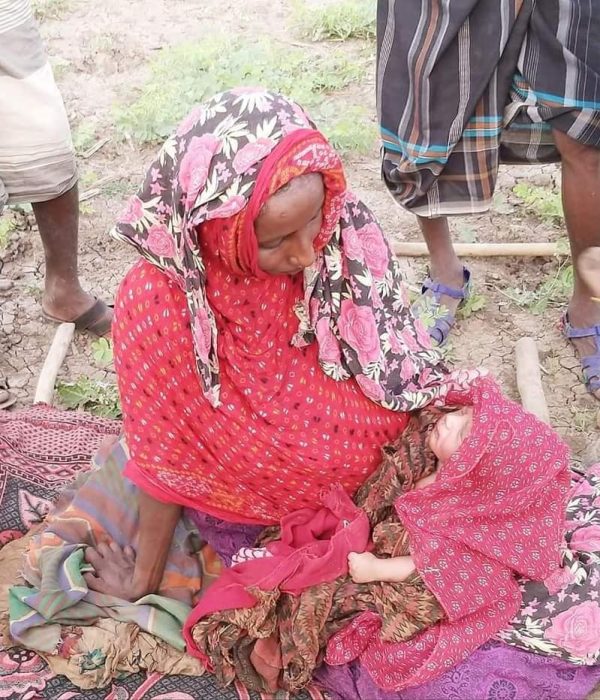
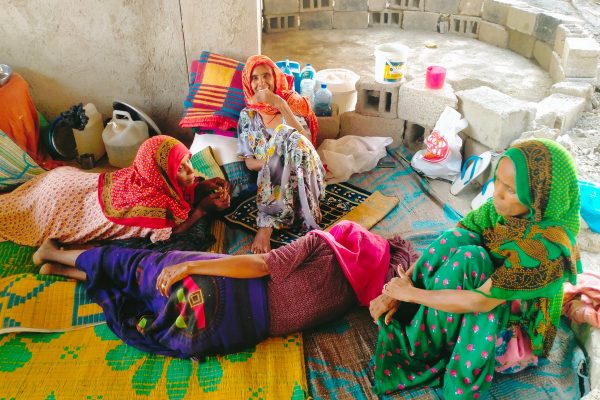
Pregnant women are regularly monitored by health workers and women extension workers beginning in the sixth month of pregnancy. Women at risk are identified early and referred to waiting centers for safer deliveries. Our trained TBAs assist clean home births using pre-packaged kits. Postnatal care includes newborn monitoring, birth tracking, and maternal counseling on health, hygiene, and reproductive rights — reducing risks and improving outcomes across thousands of homes.

photo_2024-05-02-22.33.19

🍲 Nutrition Services & Malnutrition Management

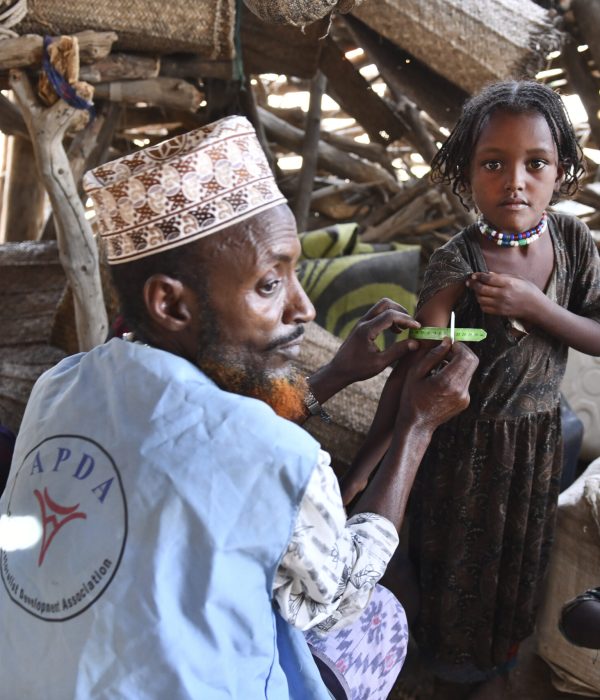
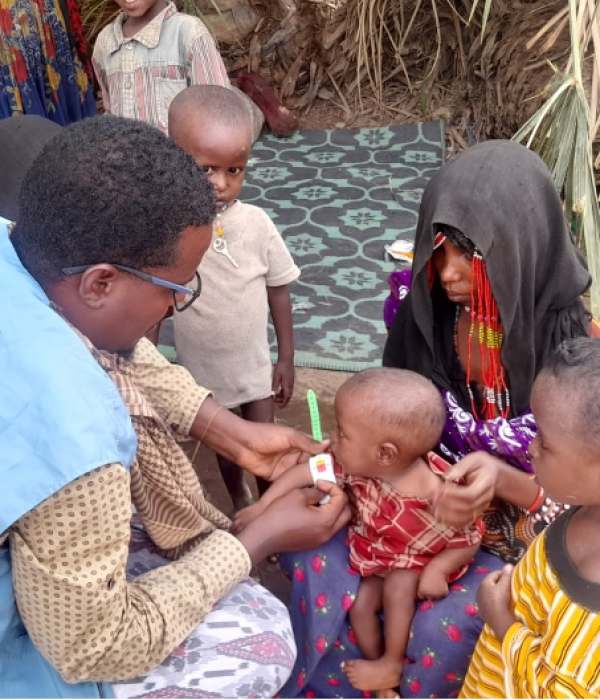
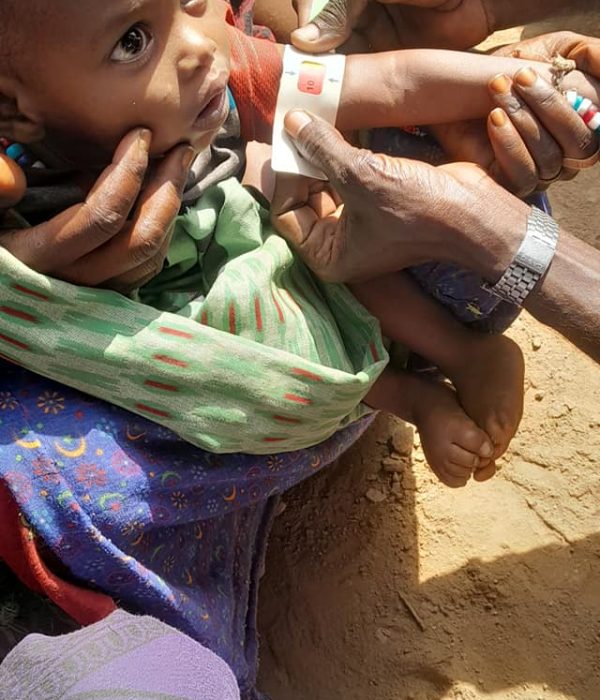
In communities suffering from drought and food insecurity, APDA conducts monthly screenings for malnutrition among children under five, pregnant, and lactating mothers. We implement Ethiopia’s CMAM model through mobile teams delivering outpatient care and supplementary feeding. Severe cases are referred to stabilization centers. Where necessary, mothers receive 15 kg of high-protein food and iron tablets. Nutrition counseling and cooking demonstrations promote infant feeding and dietary diversity.

displace6

🚑 Emergency Response & Outbreak Control

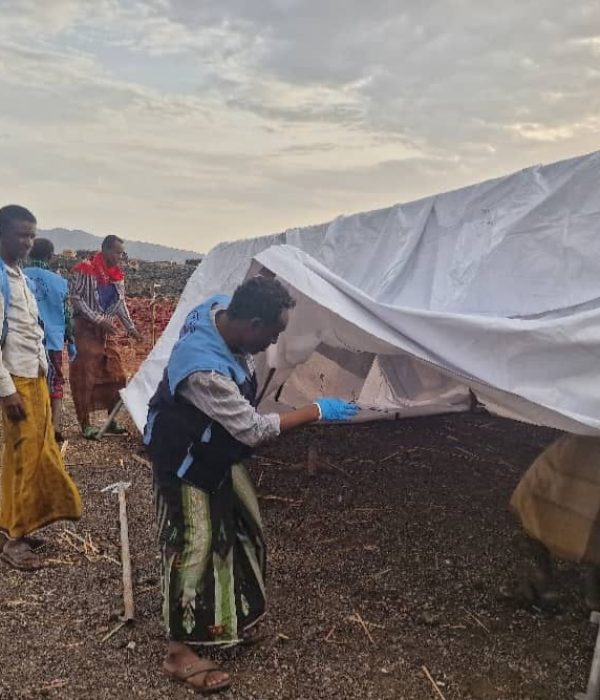
In the face of disease outbreaks like cholera or malaria, APDA mobilizes trained emergency health teams to reach affected communities — often without road access. These teams bring immediate care, disease containment support, and life-saving health education. Working closely with government health desks, we respond rapidly and thoroughly to stop spread and prevent further fatalities.

Our impact

📊 Major Achievements

For over 30 years, the Afar Pastoralist Development Association (APDA) has pioneered a mobile, community-based healthcare system tailored to the nomadic lifestyle of Afar pastoralists. Serving 232,000 people across 16 remote woredas, we bridge the gap where government health services cannot reach, ensuring maternal care, vaccinations, disease prevention, and emergency response are accessible—even where roads do not exist.

✅ 1,874 safe deliveries assisted in Q4 2024

✅ 325 referrals to health centers, 204 referrals to hospitals

✅ 10 APDA health workers trained as diploma nurses

✅ 5,000+ households equipped with Sawyer water filters

✅ Significant maternal death reduction and increased clean delivery rates

Planting Campaigns

Planting the Seeds of a Sustainable Future.

expanding urban forests

Lorem ipsum dolor sit amet, consectetur adipiscing elit. Ut elit tellus luctus.

enhancing air quality

Lorem ipsum dolor sit amet, consectetur adipiscing elit. Ut elit tellus luctus.

Lorem ipsum dolor sit amet, consectetur adipiscing elit. Ut elit tellus, luctus nec ullamcorper mattis, pulvinar dapibus leo.

Help Bring Healthcare to Remote Afar Communities

Your donation helps train local health workers, deliver clean birth kits, and reach thousands with life-saving care — even where roads don’t go