Women & Youth Empowerment Sector

Opening Doors for Girls, Women and Youth in a Pastoralist Lifestyle

WEW12

APDA's Strategy

That girls, women and youth are integral to community development

About Us

Our mission

APDA empowers Afar women and youth by dismantling harmful traditions, promoting education, and fostering economic participation—guided by clan leaders and rooted in cultural dialogue.

0
+

Trained Agents

Literate women mentor communities on maternal health, FGM risks, and income generation.

Women Extension workers

Grassroots Agents of Change

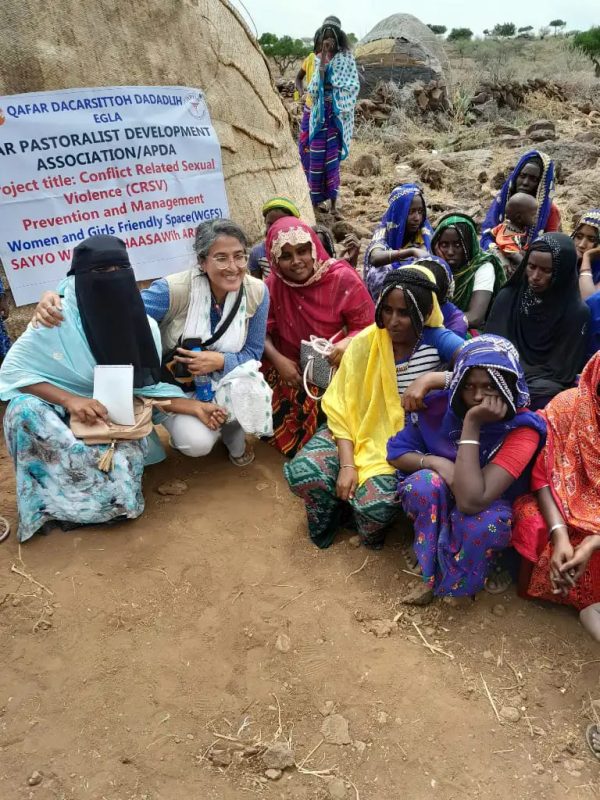
To make a sustainable impact, APDA created the role of Women Extension Workers in 2000. These are literate women selected from their own communities and trained in a wide range of skills including:

  • Health Promotion: Teaching disease prevention, maternal health, and nutrition.
  • Advocacy: Working against gender-based violence, early marriage, and FGM.
  • Counseling and Support: Helping survivors of abuse and conflict recover and rebuild their lives.
  • Economic Empowerment: Promoting women’s participation in income-generating activities.

These women are the backbone of APDA’s gender-based development work — capable, trusted, and rooted in their communities. They serve as educators, caregivers, advocates, and role models for the next generation.

Vision & Mission

Challenging Early Marriage and FGM

APDA is working with communities to change this reality — through homegrown, culturally sensitive approaches that place Afar women at the center of transformation. One of the most persistent barriers to girls’ development in Afar is early marriage and female genital mutilation (FGM). APDA is confronting these practices by:

Monitoring and Reporting

Community development workers actively report underage marriages, identifying religious leaders who act outside legal and Islamic guidelines.

Engaging Authorities

Religious leaders who continue to officiate early marriages are first given corrective training. If they remain uncooperative, the issue is escalated to the regional Islamic authority.

Subheading

Women’s Empowerment in Afar

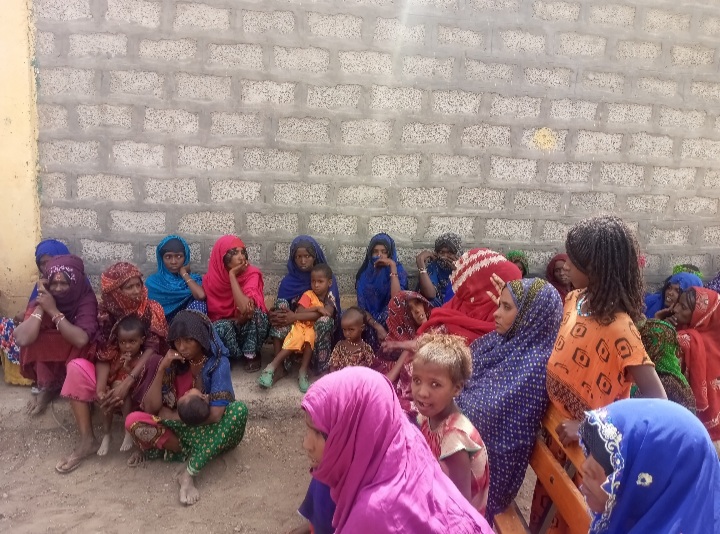
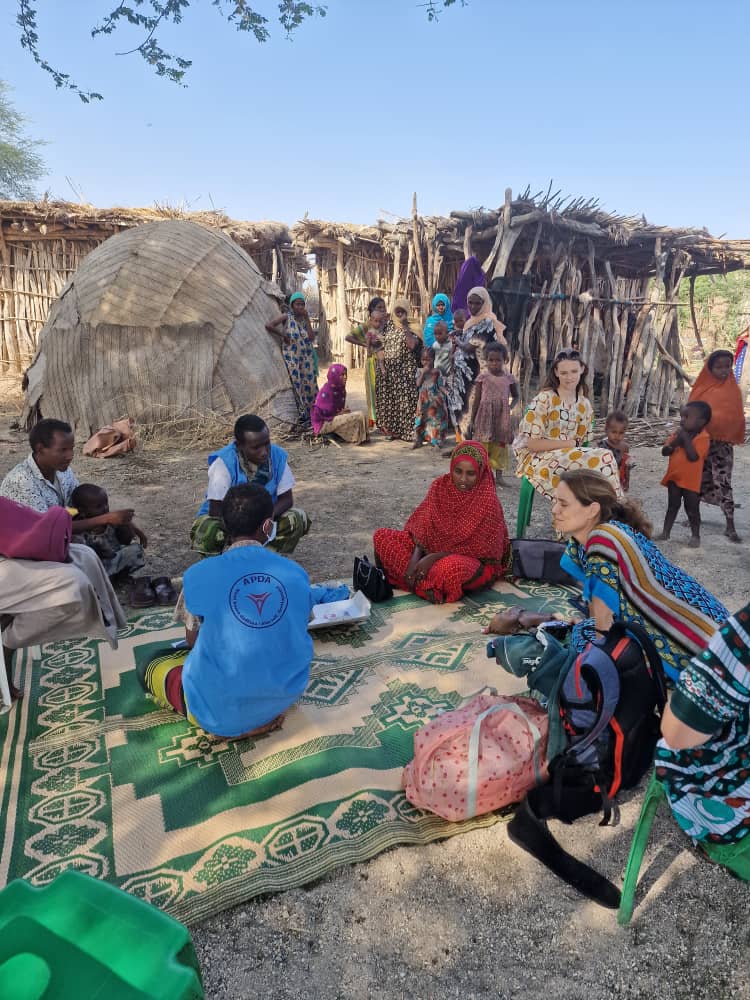
Working within a society where pastoralist identity is central and change is often resisted, APDA has steadily expanded safe, community-led spaces for transformation. The association pioneered the role of women extension workers in 2000—local, literate women trained as frontline agents for change. These women now form a core part of APDA’s mobile development teams, delivering maternal health care, educating on harmful practices such as early marriage and female genital mutilation (FGM), and providing emotional support for victims of gender-based violence. Their work is reinforced by training and cooperation with clan leaders, religious authorities, and local governance structures.

This strategy outlines (APDA) integrated, community-based approach to empowering girls, women, and youth in the Afar Region of Ethiopia. It builds on over two decades of direct experience and trust within the community, addressing deeply entrenched patriarchal values and traditional practices that continue to limit the full participation of women and youth in education, health, and economic life. 

Despite tangible gains in areas such as Kori—where FGM is nearly eradicated and child marriage rates have dropped—girls still face barriers to equal educational opportunities, especially in urban settings. APDA is actively negotiating with local Islamic leaders and clan elders to address remaining resistance. For example, through community-based reporting on underage marriage and religious actors’ compliance with the law and Islamic teaching, APDA is holding those who continue illegal practices accountable. Likewise, girls under two years old are routinely screened for signs of FGM with community consent, helping build evidence and encourage prevention.


cultural ownership and accountability

A Future Where Women Lead

This strategy places a high value on cultural ownership and accountability: the fight against harmful practices is led not by outsiders, but by Afar communities themselves, equipped with the knowledge, skills, and support to create lasting change. Key to this effort are:

Women Extension Workers

Deployed across APDA’s operational areas to provide grassroots-level guidance, care, and mobilization.

Youth engagement

Particularly in semi-urban and transitional zones, addressing issues like khat addiction, idleness, and unsafe migration.

Religious, traditional leaders

Ensuring practices are aligned with Islamic teaching and government policy

Community-level reporting & monitoring

Including local khadi-led committees to track and address early marriage and FGM.

Ongoing advocacy & awareness

Via radio broadcasts, and public commitments from former FGM practitioners.

Easy Accomodation

Lorem ipsum dolor sit amet, consectetur adipiscing elit. Donec rhoncus feugiat laoreet.

Impact Stories

Current Impact (2025)

Empowering Afar women and girls is one of the most challenging, yet vital aspects of APDA’s work. Deep-rooted patriarchal traditions, harmful practices, and limited access to education and health services have long held back female participation in community development.

APDA is working with communities to change this reality — through homegrown, culturally sensitive approaches that place Afar women at the center of transformation.

One of the most persistent barriers to girls’ development in Afar is early marriage and female genital mutilation (FGM)

0
+

TBA's trained

Eliminated 6 deadly birthing practices.

0
+

Women funded

Microfinance loans with 0% default rate.

0
+

Cooperatives

50–85% female-led, boosting local economies.

Help Us Empower More Women and Girls

Together, we can build a future where no girl is left behind.